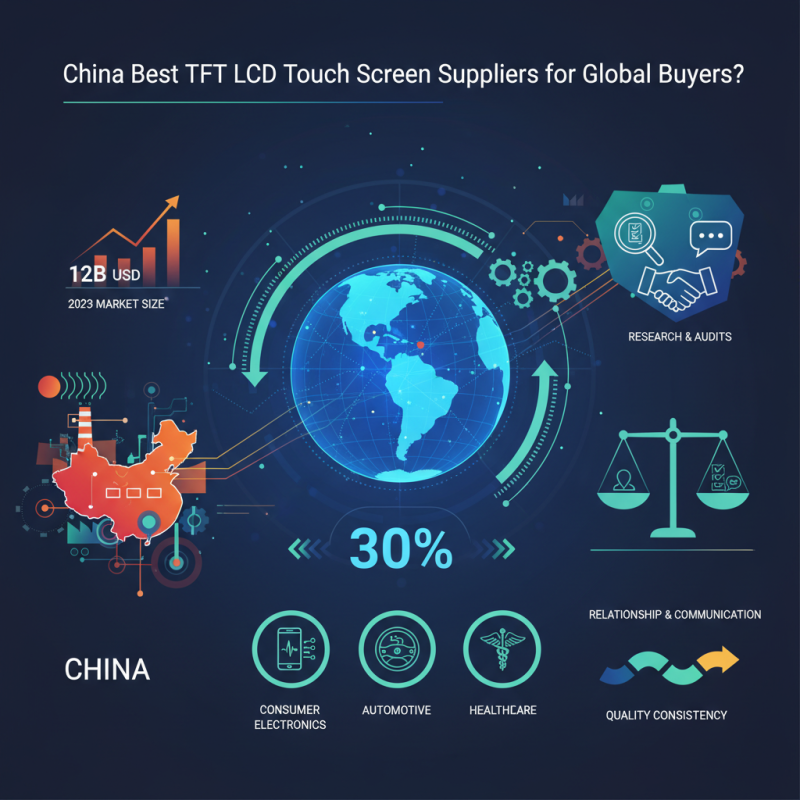
The global demand for TFT LCD touch screens has surged in recent years. As of 2023, the market size for touch screens is estimated to reach USD 12 billion. This growth is driven by various industries, including consumer electronics, automotive, and healthcare. Chinese suppliers are becoming pivotal players in this sector, offering competitive pricing and advanced technology.
China is home to numerous manufacturers of TFT LCD touch screens. They are recognized for their innovation and quality. Reports indicate that over 30% of the global market share is dominated by these suppliers. Their ability to produce large volumes without compromising quality has positioned them as reliable partners for global buyers.
However, sourcing from China is not without challenges. Quality consistency can vary across suppliers. It's essential for buyers to conduct thorough research and audits to ensure they are partnering with reputable manufacturers. Building a strong relationship and communication with suppliers is crucial for achieving the best outcomes.
TFT LCD technology has transformed how we interact with devices. This display technology enables vibrant color reproduction and excellent image clarity. According to industry reports, the global TFT LCD market is projected to reach $84 billion by 2025. This growth is driven by increasing demand in sectors like consumer electronics, automotive displays, and medical devices.
Modern devices utilize TFT LCDs due to their efficiency and versatility. They are crucial in smartphones, tablets, and laptops. The technology provides responsive touch capabilities, essential for user engagement. Emerging applications include augmented reality and wearable technology. However, the production process faces challenges, such as high costs and environmental concerns.
The long-term sustainability of TFT LCD technology is under scrutiny. Manufacturers must address waste from old screens and use eco-friendly materials. Innovations in recycling and production are necessary. Balancing performance and environmental impact poses an ongoing challenge for the industry. Addressing these issues is vital for future growth and sustainability in this rapidly evolving market.
When evaluating TFT LCD touch screen suppliers, several key metrics stand out. First, consider the manufacturing capabilities. Suppliers with advanced technology can produce screens with higher resolution and better color accuracy. According to the Display Supply Chain Consultants, the global TFT LCD market is expected to reach $136 billion by 2026. Suppliers need to scale up production to meet this growing demand.
Quality assurance is another critical metric. Look for suppliers who implement stringent testing protocols. Reports suggest that nearly 30% of screens fail quality inspection without proper testing. Therefore, suppliers should provide certification demonstrating compliance with international standards.
Innovation capabilities play a significant role as well. Suppliers that invest in research and development tend to offer cutting-edge products. In fact, over 40% of leading suppliers prioritize R&D to keep pace with market trends. It is important that suppliers maintain a balance between cost and quality, yet some may struggle with this. Take the time to assess a supplier's track record in these areas. Remember, selecting the right partner is crucial for product success.
| Supplier Category | Average Rating | Years in Business | Global Reach | Minimum Order Quantity |
|---|---|---|---|---|
| High-End Suppliers | 4.8 | 15 | Worldwide | 500 units |
| Mid-Level Suppliers | 4.3 | 10 | Regional | 1000 units |
| Budget Suppliers | 3.9 | 5 | Local | 2000 units |
The market for TFT LCD touch screens in China is evolving rapidly. Several suppliers have established themselves as leaders. They dominate market share, providing high-quality products to global buyers. These companies have innovative manufacturing processes. They also invest in advanced technology. However, quality control remains a challenge for some suppliers.
Chinese suppliers focus on various sectors. Industries like automotive, consumer electronics, and industrial equipment rely heavily on TFT LCD touch screens. Market demands are changing, influenced by trends in user experience and design. While many suppliers claim to offer cutting-edge solutions, consistency can vary. Some buyers report issues with long-term reliability.
Understanding market share can help buyers make informed decisions. Research is vital when choosing a supplier. Prices and quality can differ significantly. Initiating conversations with multiple suppliers may uncover insights. Feedback from previous clients also proves valuable. This approach helps minimize risks and ensures buyers receive optimal products.
In recent years, TFT LCD technology has seen significant innovations. The global market for TFT LCD displays is expected to grow from $105 billion in 2021 to over $145 billion by 2027, according to industry experts. This growth is driven by demand in various sectors, including consumer electronics and automotive applications. Enhanced color accuracy and energy efficiency are key trends reshaping the landscape.
Manufacturers are focusing on reducing production costs and improving display quality. Advanced manufacturing techniques like low-temperature polycrystalline silicon (LTPS) and oxide TFT technology have emerged. These methods enable higher pixel densities and faster response times. Reports indicate that products using LTPS technology have seen a sales increase of around 15% annually.
Emerging applications, such as flexible displays and wearable technology, also push innovation forward. However, challenges remain. Supply chain disruptions and raw material shortages can hinder progress. Companies must adapt quickly to sustain their market positions. With a competitive focus, the TFT LCD sector continues to evolve, aiming for sustainability and enhanced performance.
When evaluating Tft Lcd touch screen suppliers, reliability is crucial. How can buyers assess this? One key method is analyzing performance data. This includes factors such as product failure rates, delivery timelines, and warranty terms. A supplier with a low failure rate and consistent on-time delivery signals reliability. Look for suppliers who provide transparent data, helping you make informed decisions.
Customer feedback offers another layer of insight. Reviews from other buyers often highlight strengths and weaknesses. Pay attention to recurring themes in feedback. Are customers praising quality? Are there complaints about support? These details matter. While some reviews may be overly positive or negative, patterns can indicate a supplier's reliability.
Despite these strategies, challenges remain. Not all suppliers will have an extensive track record. Newer companies might lack data. They may offer competitive pricing but could struggle with consistency. Thus, it’s essential for buyers to weigh these factors carefully, ensuring a balance between cost and reliability. Making choices in this landscape requires not just data but also intuition and experience.
: TFT LCD technology is a display technology offering vibrant colors and excellent image clarity.
Industry reports project the global TFT LCD market to reach $84 billion by 2025, driven by demand in various sectors.
TFT LCDs are widely used in smartphones, tablets, laptops, automotive displays, and medical devices.
TFT LCDs provide responsive touch capabilities and are efficient, enhancing user engagement.
Augmented reality and wearable technology are new areas where TFT LCD technology is being applied.
High costs and environmental concerns in production processes pose significant challenges for the industry.
Innovations in recycling and use of eco-friendly materials are being pursued to manage waste effectively.
Enhanced color accuracy and energy efficiency are key trends influencing market growth.
Products using LTPS technology have seen an annual sales increase of approximately 15%.
Supply chain disruptions and raw material shortages are major obstacles that companies must navigate.
The article titled "China Best Tft Lcd Touch Screen Suppliers for Global Buyers" provides a comprehensive overview of TFT LCD technology, highlighting its pivotal role in modern devices across various applications. It examines key metrics for assessing leading suppliers in the market, focusing on aspects such as performance reliability and customer feedback. The analysis of market share offers a perspective on the competitive landscape among Chinese suppliers, revealing their prominence in the global market.
Additionally, the article discusses recent innovations in TFT LCD technology, emphasizing trends that are influencing the industry. By evaluating supplier reliability through performance data, the content equips global buyers with essential insights, enabling them to make informed decisions when selecting TFT LCD touch screen suppliers. Overall, this summary encapsulates the key elements necessary for understanding the dynamics of TFT LCD technology and its suppliers in China.

Xunrui Display