Top 5 Tips for Choosing High Brightness TFT LCD Screens?

Time:2026-05-25 Author:Ethan
0%

Choosing a high brightness TFT LCD screen is crucial for optimal display performance. These screens excel in bright environments, ensuring visibility and enhancing user experience. However, not all high brightness TFT LCD screens are created equal. Key factors impact their effectiveness and longevity.

Delving into the specifications is essential. The luminance level is a vital aspect, determining how bright the display can get. Another critical factor is the contrast ratio, influencing image quality. Different applications may require various screen characteristics. For instance, outdoor displays need higher brightness to combat sunlight, while indoor environments may not require as much.

Understanding the technology behind these screens is equally important. TFT (Thin Film Transistor) technology enhances response times and color accuracy, but quality varies among manufacturers. It’s imperative to assess durability and warranty options, as this reflects reliability. Choosing a high brightness TFT LCD screen involves careful consideration and a bit of research. Finding the right balance may be challenging but critical for achieving the desired visual impact.
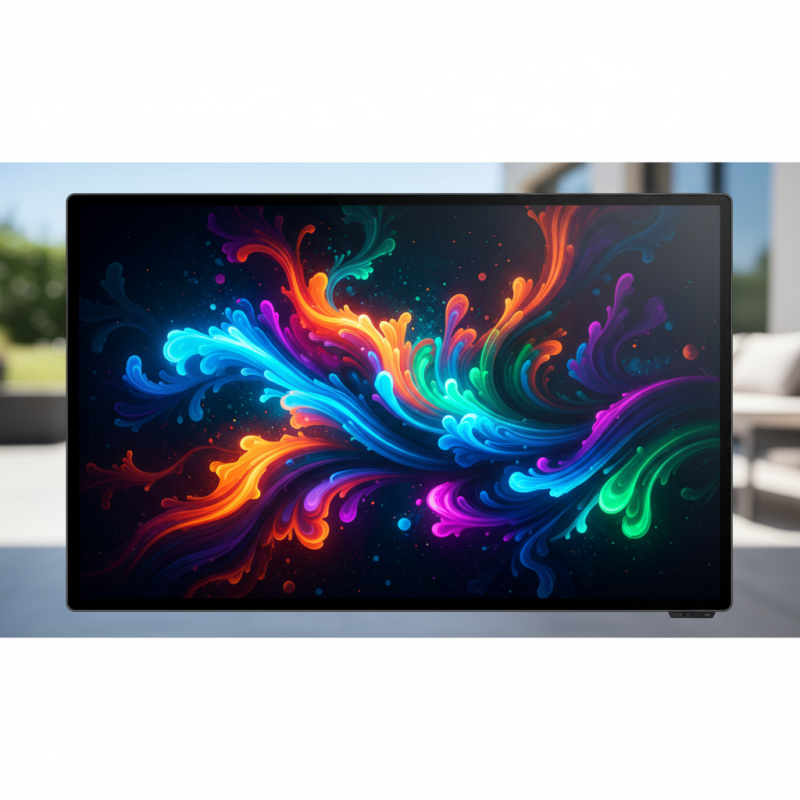
Top 5 Tips for Choosing High Brightness TFT LCD Screens?

Understanding the Importance of Brightness in TFT LCD Screens

Brightness plays a crucial role in the performance of TFT LCD screens. High brightness enhances visibility in various lighting conditions. Whether in bright sunlight or within a dim room, a screen's brightness can make a significant difference. Screens with higher luminosity deliver clearer images, which is essential for users who rely on their displays for detailed work, like graphic design or video editing.

However, not all high-brightness screens are the same. It's important to evaluate their effectiveness under different environments. Test the screen in real-world scenarios, if possible. A brighter screen doesn't always mean better visibility. Some screens may reflect more light, creating glare. Understanding the balance between brightness and screen quality is essential.

Also, consider energy consumption. High brightness often requires more power, which can affect battery life for portable devices. Examine the specifications related to energy efficiency as part of your assessment. Not every situation demands maximum brightness; a balance is necessary for everyday use. In the end, it’s about finding the right fit for your specific needs.

Evaluating the Brightness Levels and Specifications of Displays

When selecting high brightness TFT LCD screens, brightness levels are crucial. A display's brightness is often measured in nits. The average for standard screens is around 250-350 nits. For outdoor visibility, screens must exceed 1000 nits. Higher brightness improves contrast and readability in sunlight. A recent industry report notes that bright displays enhance user experience. They are vital for applications in automotive, outdoor advertising, and industrial environments.

Evaluating specifications doesn’t end with brightness. Color accuracy is another key aspect. Most high brightness displays should cover at least 90% of the sRGB color space. This ensures vibrant and true-to-life images. According to analysts, consumers tend to overlook refresh rates and contrast ratios. These factors also impact overall display quality. Contrast ratios above 1000:1 can significantly enhance image clarity, especially in mixed lighting conditions.

Temperature performance is often underestimated. Bright screens generate more heat, which can affect longevity. Manufacturers recommend operating within specific temperature ranges. Regular thermal assessments are essential for ensuring durability. It is important to periodically reassess screen performance, especially in changing environments. The right brightness for the right application can lead to better decision-making and enhance the overall viewing experience.

Comparing Different Technologies for High Brightness Performance

When selecting high brightness TFT LCD screens, it’s essential to compare different technologies. LCD screens vary significantly in their brightness capabilities. Each technology has its strengths and weaknesses. This makes understanding the options crucial for optimal performance.

One prevalent technology is LED backlighting. This method enhances brightness without consuming excessive power. However, it may not deliver uniform brightness across the screen. Some users might notice hotspots or dimmer corners. Another option is direct sunlight readable technology. It offers enhanced visibility in bright conditions. Yet, these screens can be more expensive and may have limited color accuracy.

Additionally, consider the polarizer quality. A high-quality polarizer can significantly improve brightness and color fidelity. Poor quality might lead to a washed-out image. The ambient light sensor is another feature worth noting. This can adjust the screen brightness automatically, improving user experience. But this feature isn’t always reliable in every setting, which can be frustrating. Each choice carries trade-offs, requiring careful consideration based on specific needs.

Assessing Viewing Angles and Color Accuracy in TFT LCDs

When selecting high brightness TFT LCD screens, it’s crucial to consider viewing angles and color accuracy. Viewing angles profoundly impact user experience. According to industry reports, optimal viewing angles can be as wide as 178 degrees. However, many screens fall short, leading to color distortion at extreme angles. This can be a significant drawback for applications where multiple viewers are present.

Color accuracy remains a critical factor in display quality. In professional fields like photography and graphic design, the color reproduction should ideally meet standards like sRGB or Adobe RGB. Reports indicate that screens adhering to these standards can provide 95% color accuracy. If a display falls below 70%, users may notice discrepancies in color representation. Choosing models with better color calibration capabilities can elevate the overall display quality.

When evaluating potential screens, always check the specifications for contrast ratios and color gamuts. A display with a contrast ratio of at least 1000:1 is preferable. Lower ratios can result in washed-out colors. Additionally, consider the technology behind the panel. IPS (In-Plane Switching) panels usually offer superior color accuracy and wider viewing angles than other types. Ensuring these parameters align with your needs can save future frustrations.

Considering Environmental Factors and Usage Scenarios for Displays

When selecting a high brightness TFT LCD screen, one must focus on environmental factors. Different settings can greatly impact the screen's performance. For instance, direct sunlight can reduce visibility. Therefore, choosing a screen with enhanced brightness is essential.

Consider where the display will be used. Outdoor environments require screens that can withstand harsh conditions. Dust, humidity, and temperature variations can affect functionality. Look for features like anti-glare coatings. These enhance readability in bright light.

One key tip is to assess the mounting position. Ensure that the screen is easily viewable from various angles. This can be crucial in public spaces or busy environments. Think about the distance from which the audience will see it. This impacts the necessary brightness level.

Another factor is the screen's durability. High brightness options should resist physical impacts and environmental stress. Reflect on how often maintenance will be needed. Regular care can prolong the lifespan but may be overlooked. Balancing these choices requires careful thought, reflecting on both usage and long-term needs.

Top 5 Considerations for Choosing High Brightness TFT LCD Screens

FAQS

: What is the importance of brightness levels in displays?

: Brightness levels, measured in nits, affect readability and contrast, especially outdoors. Higher brightness enhances visibility.

How does brightness impact user experience?

Reports indicate that brighter displays improve user experience in various applications, including automotive and outdoor advertising.

What should I look for regarding color accuracy?

Look for displays covering at least 90% of the sRGB color space. This ensures vibrant, true-to-life images.

Why are refresh rates and contrast ratios important?

Refresh rates and contrast ratios affect overall display quality. Ratios above 1000:1 enhance clarity in mixed lighting.

How does temperature performance influence screen longevity?

High brightness generates heat, which can affect durability. Operate screens within recommended temperature ranges for longevity.

What are key considerations when comparing display technologies?

Different technologies have unique strengths and weaknesses. Assess options based on performance needs and cost.

How does polarizer quality affect display performance?

A high-quality polarizer improves brightness and color fidelity. Poor quality results in washed-out images.

What should I know about viewing angles?

Wider viewing angles, ideally 178 degrees, enhance user experience. Limited angles can distort colors for multiple viewers.

What color accuracy standards should I aim for?

Aim for screens meeting sRGB or Adobe RGB standards. Below 70% accuracy leads to noticeable color discrepancies.

How can I assess the overall display quality?

Check contrast ratios, color gamuts, and panel technology. IPS panels usually provide better color accuracy and viewing angles.

Conclusion

When choosing a high brightness TFT LCD screen, it is crucial to understand the importance of brightness levels, as they directly impact visibility in various lighting conditions. Evaluating the specifications related to brightness helps ensure that the display meets the demands of different usage scenarios, whether for outdoor applications or environments with high ambient light.

Additionally, comparing various technologies for high brightness performance can shed light on which options provide the best efficiency and durability. Assessing viewing angles and color accuracy is also essential, as these factors influence the overall visual experience. Finally, considering environmental factors and the specific usage scenarios for displays will guide buyers in selecting the most suitable high brightness TFT LCD screen that aligns with their needs.


Ethan

Ethan

Ethan is a seasoned marketing professional with a deep expertise in our company's innovative product line. With a passion for sharing knowledge and insights, he takes the lead in regularly updating our corporate blog, where he explores industry trends, product features, and effective marketing......